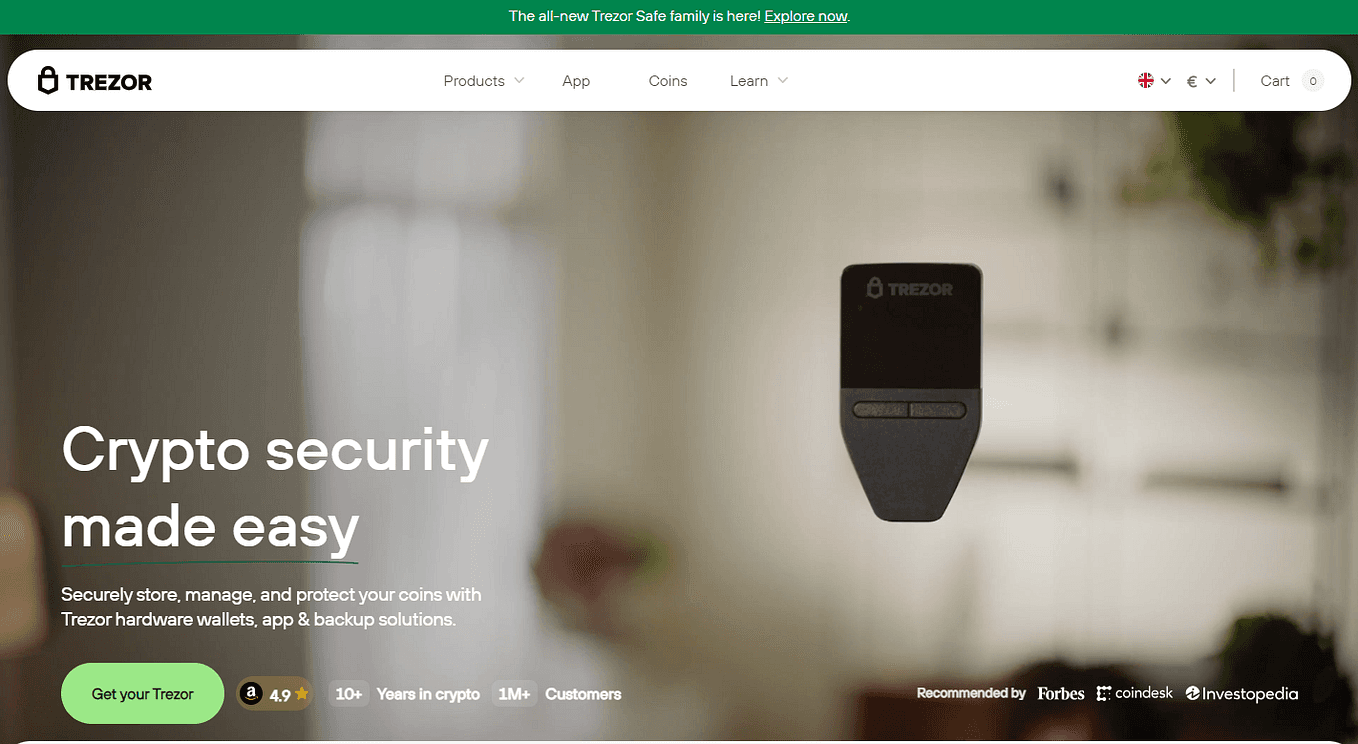
How to Set Up Your Trezor Wallet: The Simple Guide
When it comes to keeping your cryptocurrency safe, one of the best tools at your disposal is a hardware wallet. In this guide, we’ll walk you through how to set up your very own Trezor hardware wallet using Trezor.io/start. It’s easy, secure, and ensures your digital assets are protected from hackers, malware, and other online threats.
Let’s get started!
What Is a Trezor Hardware Wallet?
If you’re new to the world of crypto, you might be wondering: Why should I use a Trezor wallet? A Trezor wallet is a hardware wallet, which means it stores your cryptocurrency offline. Unlike software wallets that are connected to the internet, hardware wallets keep your private keys (which control your crypto) offline—making them far less vulnerable to hacking.
Here’s why people love Trezor:
Offline Storage: Your keys stay offline, so they can’t be stolen by malware or hackers.
Multi-Currency Support: Trezor supports hundreds of cryptocurrencies, including Bitcoin, Ethereum, and many altcoins.
User-Friendly: Trezor has a simple setup process, even for beginners.
There are two models of Trezor wallets:
Trezor One (simple, affordable)
Trezor Model T (touchscreen, advanced features)
No matter which model you choose, both provide excellent security.
Step-by-Step Setup Guide: How to Get Started with Trezor
Now that you know what a Trezor wallet is, let’s go through the setup process. It’s easy, and you’ll be up and running in no time!
Step 1: Unbox Your Trezor
First, let’s unbox your Trezor wallet. Inside the box, you’ll find:
Your Trezor device (either Trezor One or Trezor Model T)
A USB cable to connect the wallet to your computer
A recovery seed card (used for backup)
A sticker (used for verifying that the wallet hasn’t been tampered with)
Make sure to check that everything looks good and undamaged.
Step 2: Go to Trezor.io/start
Now that you’ve got everything unpacked, head over to Trezor.io/start on your computer. This is the official website where you’ll set up your wallet. The page is easy to navigate, and you’ll be guided through the entire process.
Once on the site, it will prompt you to plug in your Trezor device via the USB cable.
Step 3: Install Trezor Bridge (if necessary)
To make sure your Trezor wallet works with your computer, you may need to install a piece of software called Trezor Bridge. This program helps your browser communicate with the Trezor device.
Just follow the instructions on the website to install Trezor Bridge. It only takes a few minutes, and once it’s installed, your Trezor will be detected automatically.
Step 4: Set Your PIN
Next, Trezor will ask you to create a PIN for your wallet. This PIN will protect your device from unauthorized access.
Tips for choosing a secure PIN:
Pick something you can remember but that’s hard for others to guess (avoid things like “1234” or “0000”).
The Trezor device will prompt you to enter your PIN on the device itself (not your computer), which adds an extra layer of security.
Step 5: Generate Your Recovery Seed
This is one of the most important steps. Trezor will now generate a recovery seed for you. This recovery seed is a list of 12, 18, or 24 words that serves as a backup for your wallet. If you ever lose your Trezor device, you can use this seed to restore your wallet on a new device.
What to do with your recovery seed:
Write it down: Don’t store it digitally (like on your phone or computer). Write it down on paper, and keep it in a secure, offline location.
Don’t share it with anyone: If someone gets access to your recovery seed, they can access your crypto.
Once you’ve written it down, you’ll need to confirm the recovery seed by selecting the words in the correct order. This ensures you’ve recorded it correctly.
Step 6: Set Up Additional Security Features (Optional)
After the recovery seed is safely stored, Trezor will offer additional security options. You can set up a passphrase to add another layer of protection. This is an extra word or phrase that you’ll need to enter each time you access your wallet.
Important: If you forget your passphrase, you could lose access to your funds, so be sure to store it securely.
Step 7: Complete the Setup and Sync Your Wallet
Once your PIN, recovery seed, and additional security features are set up, you’ll be ready to start using your Trezor wallet. You can now sync it with the Trezor Wallet Interface in your browser.
From here, you’ll be able to manage your cryptocurrency, check your balance, and perform transactions all from the Trezor Wallet interface.
Using Your Trezor Wallet: Sending and Receiving Crypto
Now that your Trezor is all set up, you can start using it to manage your cryptocurrency. Here’s how:
1. Receiving Cryptocurrency
To receive crypto, click on the “Receive” button in the Trezor Wallet interface. You’ll be provided with a unique wallet address for the cryptocurrency you want to receive. You can share this address with anyone who wants to send you crypto. Always double-check the address to ensure there are no mistakes.
2. Sending Cryptocurrency
To send crypto, go to the “Send” section. Enter the recipient’s wallet address and the amount you want to send. After entering the details, you’ll need to confirm the transaction on your Trezor device. This extra step ensures that only you can authorize the transfer.
3. Checking Your Balance
To check your crypto balance, simply navigate to the “Accounts” section in the Trezor Wallet interface. It will show you your available balance for each cryptocurrency.
Keeping Your Trezor Wallet Secure
Now that you’re familiar with how to use your Trezor wallet, it’s important to follow best practices to keep your crypto secure. Here are some tips:
1. Protect Your Recovery Seed
This is the most important piece of information for securing your wallet. Store your recovery seed in a safe and offline place, away from prying eyes. Consider using a safe or lockbox to keep it protected.
2. Enable Two-Factor Authentication (2FA)
Where possible, enable two-factor authentication (2FA) on any services you use with your crypto. This adds an extra layer of security by requiring a second form of verification (such as a code sent to your phone) in addition to your password.
3. Keep Your Software Updated
Trezor regularly releases firmware updates that improve the security and functionality of your device. Always keep your Trezor device updated to ensure it’s protected from any vulnerabilities.
4. Be Wary of Phishing Attempts
Phishing scams are common in the crypto world. Always make sure you’re visiting official websites (like Trezor.io) and never click on suspicious links in emails or messages.
Trezor vs Other Wallets: Why Choose Trezor?
There are other hardware wallets out there, so why choose Trezor?
Here’s why Trezor stands out:
User-Friendly Interface: Whether you're a beginner or an experienced crypto user, Trezor’s interface is easy to navigate.
Solid Reputation: Trezor is one of the oldest and most trusted names in crypto security.
Wide Crypto Support: Trezor supports hundreds of cryptocurrencies, including all the major coins and many altcoins.
Open-Source Software: Trezor’s software is open-source, meaning the community can verify and improve its security.
Conclusion: Secure Your Crypto with Trezor
Congratulations! You’ve successfully set up your Trezor wallet, and your cryptocurrency is now stored securely offline. Whether you’re holding Bitcoin, Ethereum, or a wide range of altcoins, Trezor ensures that your assets are protected from online threats.
To get started with your own Trezor wallet, just visit Trezor.io/start and follow the simple steps to begin your setup.
Your crypto, your control—stay secure!